Hiking Mount Inari: The Fushimi Inari Taisha Trail
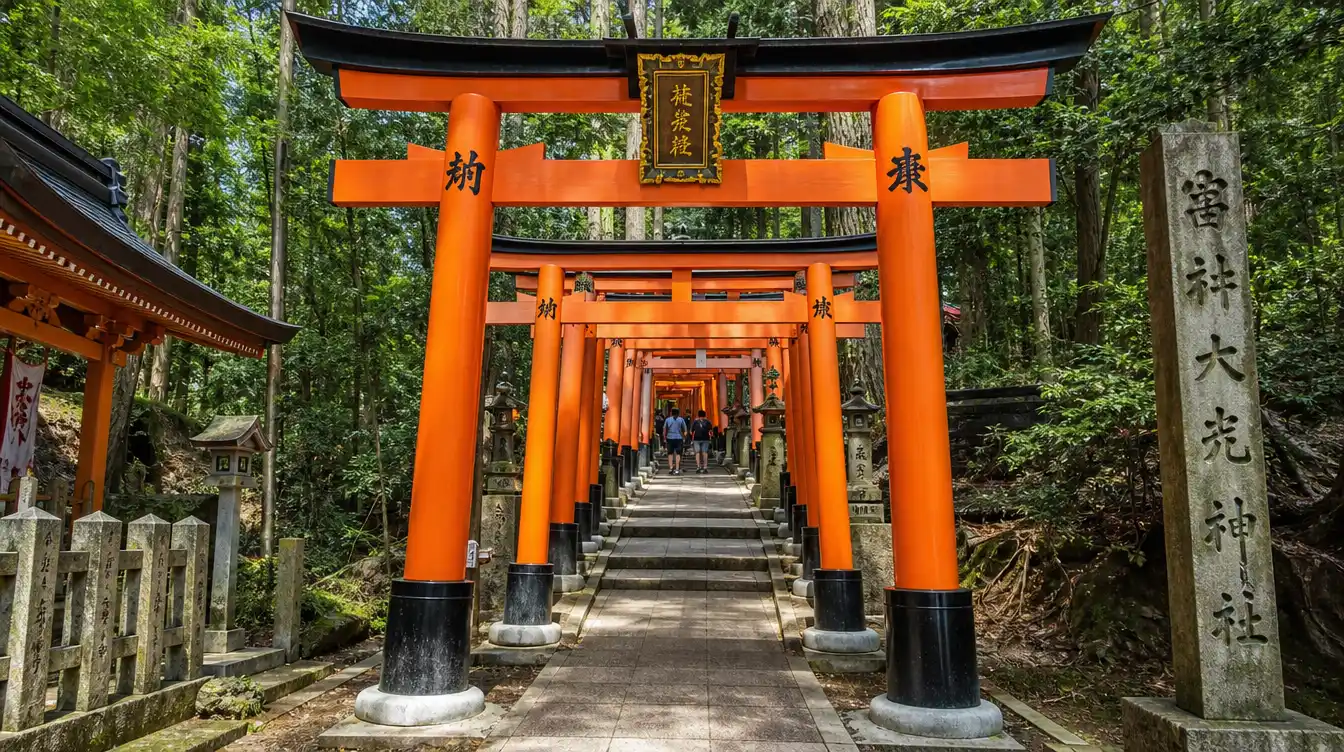
Kyoto is a city of endless wonders, but few experiences stick with you quite like the Fushimi Inari Taisha shrine. It's famous for its thousands of vermilion torii gates, a sight truly unlike anything else. What many don't realize, though, is that exploring this sacred site means embarking on a proper fushimi inari hike, a journey up Mount Inari itself.
This isn't just a quick photo stop. This guide will walk you through the entire Fushimi Inari Taisha trail, from the bustling main shrine at the bottom to the serene summit. We'll cover what to expect, how long it takes, and some tips for making the most of your climb up this iconic mountain.
Book your Fushimi Inari Taisha experience:
Starting Your Fushimi Inari Taisha Hike
You'll begin right at the base, where the grand Romon Gate stands guard. This is the main entrance to Fushimi Inari Taisha, a truly impressive structure built by Toyotomi Hideyoshi in 1589. The energy here is palpable, a mix of pilgrims, tourists, and locals. You'll see people praying, buying charms, and just generally soaking in the atmosphere. It's easy to get swept up in it all.
Just past the Romon Gate, you'll find the main shrine buildings, including the Go-Honden (main hall). Take a moment here. The intricate details are incredible. You might see a Shinto priest performing a ritual, or people making offerings. This initial area is flat, very wide, and usually pretty crowded. It prepares you for the journey ahead, I think.
The real Fushimi Inari Taisha steps begin shortly after the main hall. These are wide, stone steps leading up to the first set of torii gates. This part of the ascent is quite gentle, a good warm-up for what's to come. You'll pass smaller sub-shrines and stone fox statues, messengers of Inari Okami, the deity of rice, sake, and prosperity. Many of these foxes wear red votive bibs, a nice touch.
Through the Thousand Torii Gates - Senbon Torii
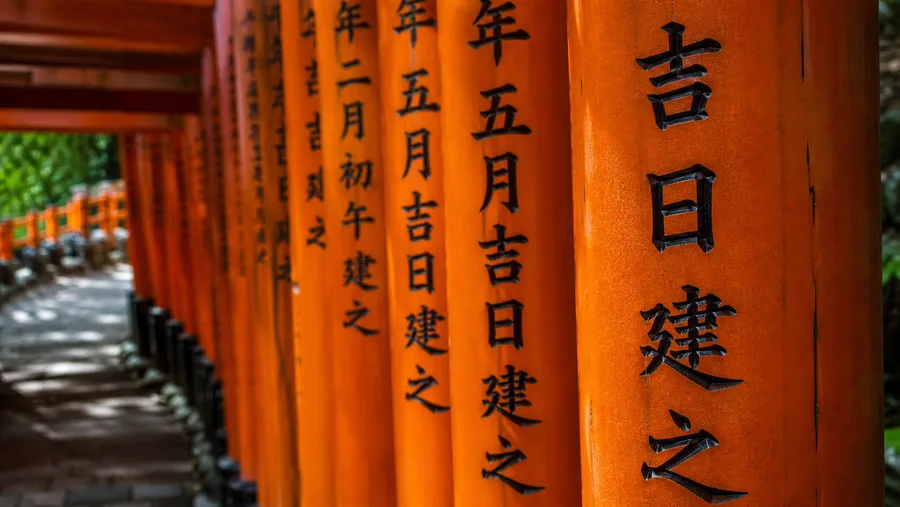
This is it. The section everyone pictures when they think of Fushimi Inari. The Senbon Torii, or "Thousand Torii Gates." It's actually two parallel rows of gates that create a tunnel. One path is for going up, the other for coming down. This helps manage the flow of people, which is smart, because it gets busy. Each gate is an offering from an individual or company, their names and dates inscribed on the back in black kanji. It’s fascinating to see how many there are.
The light filters through the gates in such a unique way. It creates this warm, orange glow that makes everything feel a bit magical. You'll want to stop for photos, everyone does. Just be mindful of others trying to pass. The gates are packed together here, creating a continuous, winding path up the mountain. It feels like walking through a vibrant, endless corridor.
Pro tip: Aim to arrive right at sunrise, around 6:00 AM. You will have a much more peaceful experience through the Senbon Torii before the tour buses descend. It's totally worth the early start.
After about 15 minutes of walking through these dense tunnels, the gates space out a bit. You'll reach a fork in the path, where the two tunnels briefly separate. This area offers some wider views and a chance to catch your breath. You’re still only a fraction of the way up the mount inari hike, though. There are plenty of smaller shrines and tiny waterfalls to discover as you continue your ascent.
Reaching the Yotsutsuji Intersection
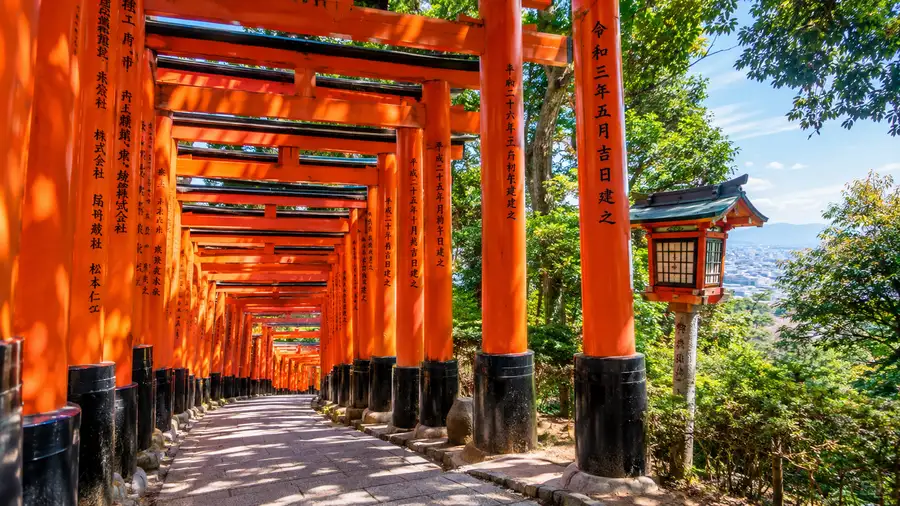
The path continues upwards, still lined with torii gates, though they become a little less dense than the famous Senbon Torii section. You'll pass more sub-shrines, each with its own charm and often a small, quiet temple building. The air gets cooler, and the sounds of the city start to fade, replaced by birdsong and the rustle of leaves. This part of the Fushimi Inari Taisha trail feels more like a proper mountain hike.
Eventually, you'll reach the Yotsutsuji intersection, roughly halfway up the mountain. This is a significant landmark on the Fushimi Inari Taisha hike. It means "four-way intersection," and it lives up to its name. From here, you get absolutely stunning panoramic views of Kyoto city stretching out below. It's a fantastic spot to take a break, hydrate, and just appreciate the scale of it all.
Note: There are a few small tea houses and snack stalls around Yotsutsuji. They offer drinks and simple food like udon or grilled mochi. Prices might be a little higher here, but the convenience and view are often worth it.
Many visitors choose to turn back at Yotsutsuji. This is totally fine. You've seen the most iconic parts and gotten a good workout. If you're looking for a quieter experience and to complete the full mount inari loop, keep going. The crowds thin out considerably past this point, which is a real bonus for those who prefer solitude.
Book your Fushimi Inari Taisha experience:
Beyond Yotsutsuji - The Summit and Full Loop
Past Yotsutsuji, the Fushimi Inari Taisha trail becomes even more peaceful. The torii gates continue, but they are fewer and farther between, often leading to smaller, more secluded shrines. This section feels less like a tourist attraction and more like a spiritual pilgrimage. The path also gets a bit steeper in places, and you'll encounter more natural forested areas.
The actual Fushimi Inari Taisha summit isn't a dramatic peak with a grand vista. It's marked by a small shrine, Ichinomine, at 233 meters (about 764 feet). It's a subtle achievement, really. There's no big sign proclaiming "You Made It!" just a quiet sense of accomplishment. You can offer a small prayer here if you wish. The real reward is the journey itself, honestly.
From the summit, the trail continues in a loop around the backside of the mountain, eventually bringing you back down towards Yotsutsuji from a different direction. This full Fushimi Inari Taisha hike typically takes about 2 hours and 40 minutes round trip, maybe a bit more if you stop for lots of photos or a snack. The path is well-maintained, mostly paved or stone steps, so it's not a rugged wilderness trek, but it is a steady climb.
Along this loop, you'll discover many more sub-shrines, each dedicated to different aspects of Inari Okami. Some have unique fox statues, others feature small ponds or ancient trees. It's a wonderful opportunity to experience the spiritual side of the site without the constant throng of people. You might even stumble upon a small, nearly hidden waterfall, which is always a nice surprise.
- What to Wear: Comfortable walking shoes are a must. The Fushimi Inari Taisha steps are numerous, and while paved, good support helps. Layered clothing is also smart, as you'll warm up quickly on the ascent.
- What to Bring: A reusable water bottle is essential. There are vending machines, but having your own water saves money and plastic. Maybe a small towel in summer. A camera, obviously.
- Food Options: After your hike, you'll be hungry. The area around the shrine entrance has some great options. Honestly, you should try the local street food, like sparrow skewers (yes, really) or inari sushi. For more substantial meals, check out this guide to Best Food & Restaurants Near Fushimi Inari Taisha.
Practicalities for Your Fushimi Inari Taisha Hike
Getting to Fushimi Inari Taisha is quite easy. It's directly accessible by train from Kyoto Station, taking about 5 minutes on the JR Nara Line to Inari Station. If you're coming from central Kyoto, the Keihan Main Line to Fushimi-Inari Station is also an option. Both stations are just a 3-minute walk from the main gate, which is incredibly convenient.
There are no entrance fees to Fushimi Inari Taisha, which is great. It's open 24/7, so you can literally start your hike any time you want. This makes it perfect for those early morning trips or even a unique evening stroll, though the upper sections can be quite dark after sunset. Lighting is minimal once you get past the main shrine area, so bring a flashlight if you plan on going up at night.
The entire Fushimi Inari Taisha trail is well-signed in both Japanese and English, so getting lost is highly unlikely. There are also restrooms scattered along the path, usually near the larger sub-shrines and at the Yotsutsuji intersection. These are generally clean, but bringing a small pack of tissues is never a bad idea when traveling in Japan.
Here's a quick overview of what to expect for the full loop:
| Metric | Details |
|---|---|
| Distance | About 4.3 km (2.7 miles) round trip |
| Elevation Gain | Around 233 meters (764 feet) |
| Average Time | 2.5 - 3 hours (with stops) |
| Difficulty | Moderate - mostly steps, steady incline |
Frequently Asked Questions about fushimi inari hike
How long does the Fushimi Inari Taisha hike take?
The full loop to the summit and back usually takes about 2 to 3 hours, depending on your pace and how often you stop for photos or breaks.
Is the Fushimi Inari Taisha hike difficult?
It's considered a moderate hike. The path is mostly paved or stone steps, but there are many steps and a continuous incline. Anyone with average fitness should be able to complete it.
What's the best time of day for the Fushimi Inari Taisha trail?
Early morning (sunrise) is best to avoid crowds, especially in the lower sections. Late afternoon also offers beautiful light and fewer people as the day trippers start to leave.
Quick Reference
- No entrance fee
- Open 24/7
- Train accessible
- 2-3 hour hike
- Moderate difficulty
Book your Fushimi Inari Taisha experience:
My Take on the Fushimi Inari Taisha Trail
Hiking Mount Inari is more than just seeing some pretty gates. It's an experience that combines spiritual pilgrimage with a decent physical challenge, all wrapped up in breathtaking scenery. You get the iconic photos, sure, but you also get a real sense of peace and accomplishment, especially if you go all the way to the summit. It’s a place that truly invites you to explore, to wander, and to find your own quiet moments amidst the vibrant beauty.
I honestly think it's one of Kyoto's must-do activities. Don't just tick it off a list; really immerse yourself in the journey. Pack your water, put on your comfy shoes, and go see what the Fushimi Inari Taisha trail reveals to you. You won't regret the climb.
Read more about Fushimi Inari Taisha.