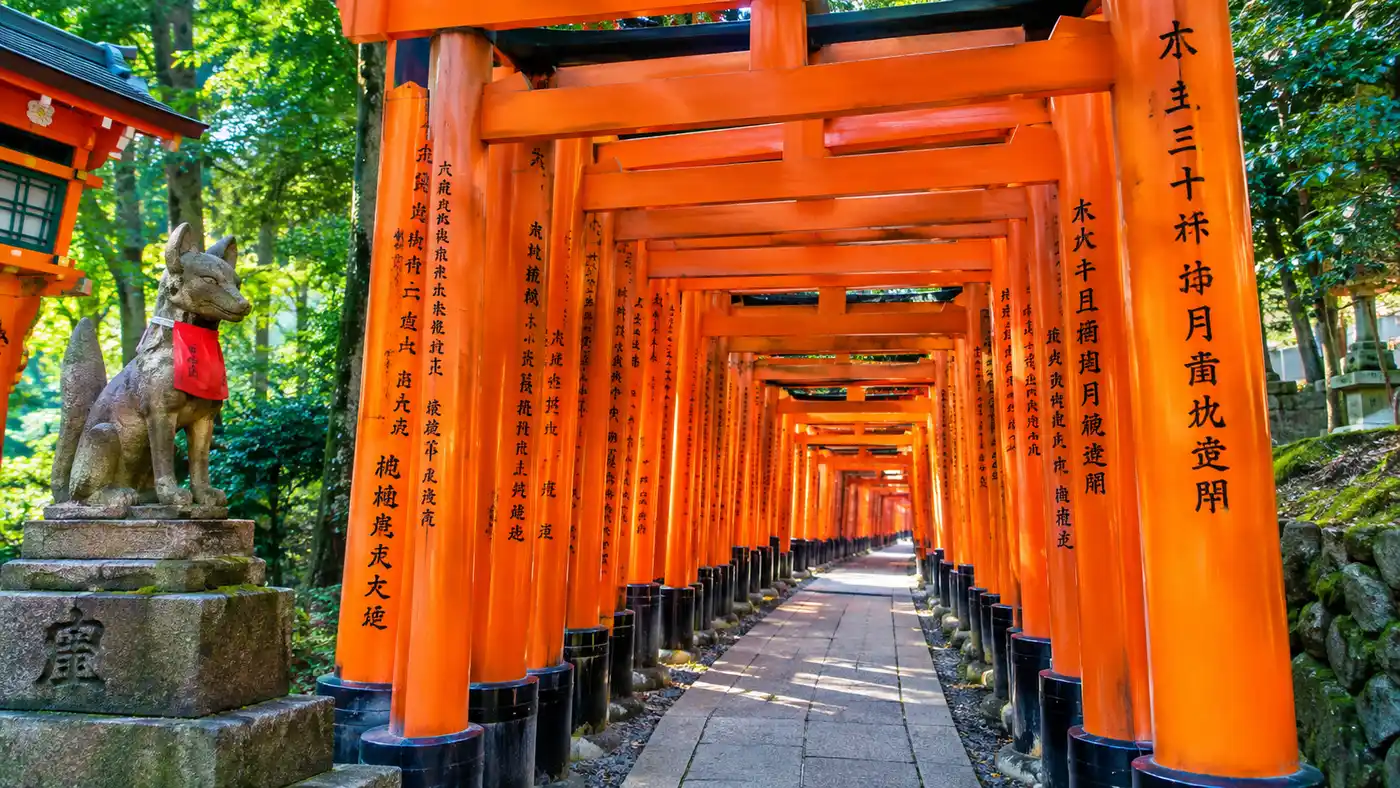
Top Attractions & Things to Do Near Fushimi Inari Taisha
Visiting Fushimi Inari Taisha is an experience. The endless vermillion torii gates winding up Mount Inari are truly iconic. Many people just come for the shrine, walk for an hour or two, then head back to central Kyoto. But honestly, if you've made the trip down to this southern part of the city, there are quite a few other fantastic things to do near Fushimi Inari Taisha that are worth your time. You can easily spend a full day exploring the immediate area and a bit beyond, soaking in a different side of Kyoto. This guide is for those curious travelers who want to dig a little deeper, maybe find a quiet spot away from the crowds, or just figure out what else is on offer once they've taken all their torii gate photos. We'll look at everything from hidden temples and local food spots to how you might link your visit with some of Kyoto's other famous sights, even if they're a bit further out.Book your Fushimi Inari Taisha experience:
Beyond the Torii: Immediate Surroundings of Fushimi Inari
Once you've descended from the mountain trails of Fushimi Inari, the area right around the shrine's main entrance bustles with life. This isn't just about souvenir shops. The street leading up to the main gate, known as Omotesando, is lined with small eateries and stalls selling traditional snacks. You can find some really tasty stuff here, perfect for recharging after your hike. I always grab a taiyaki - a fish-shaped cake, usually filled with red bean paste. Sometimes they have custard too. There are also little places selling grilled sparrow, which I know sounds a bit out there, but it's a local delicacy. I tried it once, mostly for the story, and it was surprisingly good, a bit gamey. You'll also see plenty of places selling kitsune udon, a noodle dish with fried tofu, which ties into the fox messengers of Inari. For a more substantial meal, there are a few decent sit-down restaurants. If you're really hungry and want some recommendations beyond the street food, you might want to check out some of the options listed in this article: Best Food & Restaurants Near Fushimi Inari Taisha.Pro tip: Don't just stick to the main street. Wander down some of the smaller side alleys near the station. You might find a quieter tea shop or a unique craft store tucked away, far from the main tourist crush. We found a place selling handmade pottery that was just lovely.
A Short Hop to Tofuku-ji Temple
Just one stop north of Fushimi Inari Station on the JR Nara Line (or a short walk, maybe 15 minutes, if you like stretching your legs) is Tofuku-ji Temple. This place is seriously underrated, especially if you happen to be in Kyoto during autumn. The maple leaves here are absolutely spectacular, creating these incredible tunnels of fiery red and orange. It gets crowded then, sure, but it's still less intense than some other spots. The temple complex itself is vast. It's home to one of Kyoto's oldest and largest Zen temples, founded in the 13th century. The Tsutenkyo Bridge, which spans a valley filled with maple trees, offers some of the best views. But even outside of autumn, the dry landscape gardens, like the Hojo Garden, are really beautiful and peaceful. The scale of the main hall and the massive Sanmon Gate are pretty impressive. It's a nice contrast to the more whimsical feel of Fushimi Inari.Note: Tofuku-ji has specific opening hours for its gardens and some of its sub-temples, and there's usually a small entry fee for certain areas, unlike Fushimi Inari which is open 24/7 and free. Check their official website for the latest details before you go, especially during peak seasons.
Southern Kyoto's Historical Gems and City Views
Venturing a bit further, but still easily accessible from Fushimi Inari, you can explore some other significant Kyoto landmarks. Toji Temple, a UNESCO World Heritage site, is famous for its five-storied pagoda, which is the tallest wooden pagoda in Japan. It’s a stunning sight, especially when lit up at night. The temple also hosts a popular flea market on the 21st of each month (Kobo-san Market) and a smaller antique market on the 21st of every month (Garakuta-ichi). If your visit aligns with one of these, you're in for a treat – it's a fantastic place to find unique souvenirs, local crafts, and street food. From Toji, it’s a quick bus or walk to Kyoto Station. While the station itself is a modern marvel, the area around it offers practical amenities and more attractions. Kyoto Tower, standing tall right across from the station, provides 360-degree panoramic views of the entire city. It's a great way to get your bearings and see where everything is, especially if you're staying in one of the many things to do near fushimi inari taisha and need to orient yourself. Below the tower, there are shops, restaurants, and even a public bathhouse, which is a neat experience if you're feeling adventurous.Book your Fushimi Inari Taisha experience:
Considering Arashiyama: A Separate Adventure or an Ambitious Day?
Many travelers wonder about combining Fushimi Inari Taisha with Arashiyama Bamboo Forest. It's a common question, and honestly, it's ambitious for one day. While Arashiyama is famous for its stunning bamboo grove – the one people often mistake for a "fushimi inari bamboo forest" – it's located on the complete opposite side of Kyoto. It's not a short hop by any means. Getting from Fushimi Inari to Arashiyama involves multiple train transfers and takes at least an hour, sometimes closer to 90 minutes, depending on the connections. You'd typically take the JR Nara Line to Kyoto Station, then transfer to the JR Sagano Line (San-in Line) to Saga-Arashiyama Station. Or, if you prefer private railways, you could go via Keihan Line to Gion-Shijo or Sanjo, then transfer to the Hankyu Line to Arashiyama. It's doable, sure, but you'll spend a lot of time on trains. If you really want to experience both fully, maybe hiking all of Mount Inari and exploring Arashiyama's temples, river, and bamboo, I'd suggest dedicating separate days. Or at least plan for a very, very long day with an early start. Here's a rough idea of travel times from Fushimi Inari to some other popular spots:| Destination | Estimated Travel Time (Train) | Notes |
|---|---|---|
| Tofuku-ji Temple | 5 minutes | 1 stop on JR Nara Line |
| Kyoto Station | 5-8 minutes | 2 stops on JR Nara Line |
| Gion District | 10-15 minutes | Keihan Line to Gion-Shijo |
| Arashiyama Bamboo Grove | 60-90 minutes | Multiple transfers required |
| Kiyomizu-dera Temple | 25-35 minutes | Keihan Line to Kiyomizu-Gojo, then walk/bus |
Cultural Experiences and Relaxation Nearby
Beyond just sightseeing, you might want to immerse yourself in some local culture. There are places offering kimono rental near Fushimi Inari Taisha, allowing you to walk the torii gates in traditional attire. It's a popular activity, and you'll see plenty of people doing it. Most rental shops are either very close to the shrine or in central Kyoto, so you can pick one up and head over. Make sure to book in advance, especially during peak tourist season, as they can get quite busy. If you're looking for an onsen near Fushimi Inari Taisha shrine, you'll find that truly traditional hot spring resorts are generally located outside the immediate city center, often in more mountainous or rural areas. However, Kyoto does have public bathhouses (sento) and some hotels offer onsen-style baths. For a proper onsen experience, you might need to venture a bit further, perhaps to Kurama Onsen, which is a beautiful day trip north of Kyoto. It's about an hour and 15 minutes by train and bus from Kyoto Station, offering outdoor baths with mountain views. While not "near" Fushimi Inari in the immediate sense, it's a fantastic way to relax after days of walking around Kyoto. You can also find small tea houses in the Fushimi Inari area offering traditional tea ceremonies. These provide a quiet, reflective experience that contrasts nicely with the bustling shrine paths. Look for places just off the main drag or up one of the quieter side streets. It's a lovely way to spend 30-45 minutes and learn a bit about Japanese culture.Frequently Asked Questions about things to do near fushimi inari taisha
How long should I plan for Fushimi Inari and nearby attractions?
For Fushimi Inari Taisha itself, budget 2-3 hours if you plan to walk up a good portion of the mountain. If you add Tofuku-ji Temple, that's another 1.5-2 hours. So, a comfortable half-day to full-day is a good estimate for the immediate Fushimi Inari area and Tofuku-ji.
Can I combine Fushimi Inari and Arashiyama in one day?
You can, but it will be a very long and rushed day with significant travel time between the two. It's generally recommended to dedicate separate days to fully enjoy both, especially if you want to hike Mount Inari or explore Arashiyama's many temples and sights.
Are there good hotels right near Fushimi Inari?
There are some guesthouses and smaller hotels very close to Fushimi Inari Taisha, offering convenience for early morning visits. However, for a wider range of options, including larger hotels and more amenities, staying near Kyoto Station or in central Kyoto (like Gion or Kawaramachi) might be a better choice. The JR Nara Line provides quick access to Fushimi Inari from Kyoto Station.
Quick Reference
- Fushimi Inari: 2-3 hours for a good hike
- Tofuku-ji: 15 min walk or 1 train stop away
- Arashiyama: 60-90 min by train, ambitious for same day
- Kyoto Station: 5-8 min by JR train
- Kimono rental: Available nearby or in central Kyoto
Book your Fushimi Inari Taisha experience:
My Take on Exploring Beyond the Gates
Fushimi Inari Taisha is a must-see, absolutely. But to truly make the most of your visit to this corner of Kyoto, I really think you should carve out a bit more time. Don't just tick it off your list and rush away. Stay for lunch, wander the local streets, or hop over to Tofuku-ji for some quiet contemplation. You'll find that these lesser-known experiences and nearby attractions add so much more depth to your trip. It's about slowing down and letting Kyoto reveal its layers, one torii gate and one hidden garden at a time.Read more about Fushimi Inari Taisha.