Plan Your Visit to Fushimi Inari Taisha: Hours, Fees & Map
Kyoto holds so many incredible spots, but for many, the vermilion gates of Fushimi Inari Taisha stand out as an absolute must-see. This iconic shrine, dedicated to Inari, the Shinto god of rice, sake, and prosperity, draws millions each year. It is a truly unique place. If you are heading to Japan, you absolutely need to plan your visit to Fushimi Inari Taisha carefully to make the most of your time. This guide is all about the practical stuff. We will cover the best times to go, what it costs (or doesn't), how to get there, and how to navigate the sprawling network of trails and shrines. Forget the tourist traps, let us make sure your experience is memorable and smooth.Book your Fushimi Inari Taisha experience:
Understanding Fushimi Inari Taisha's Charm
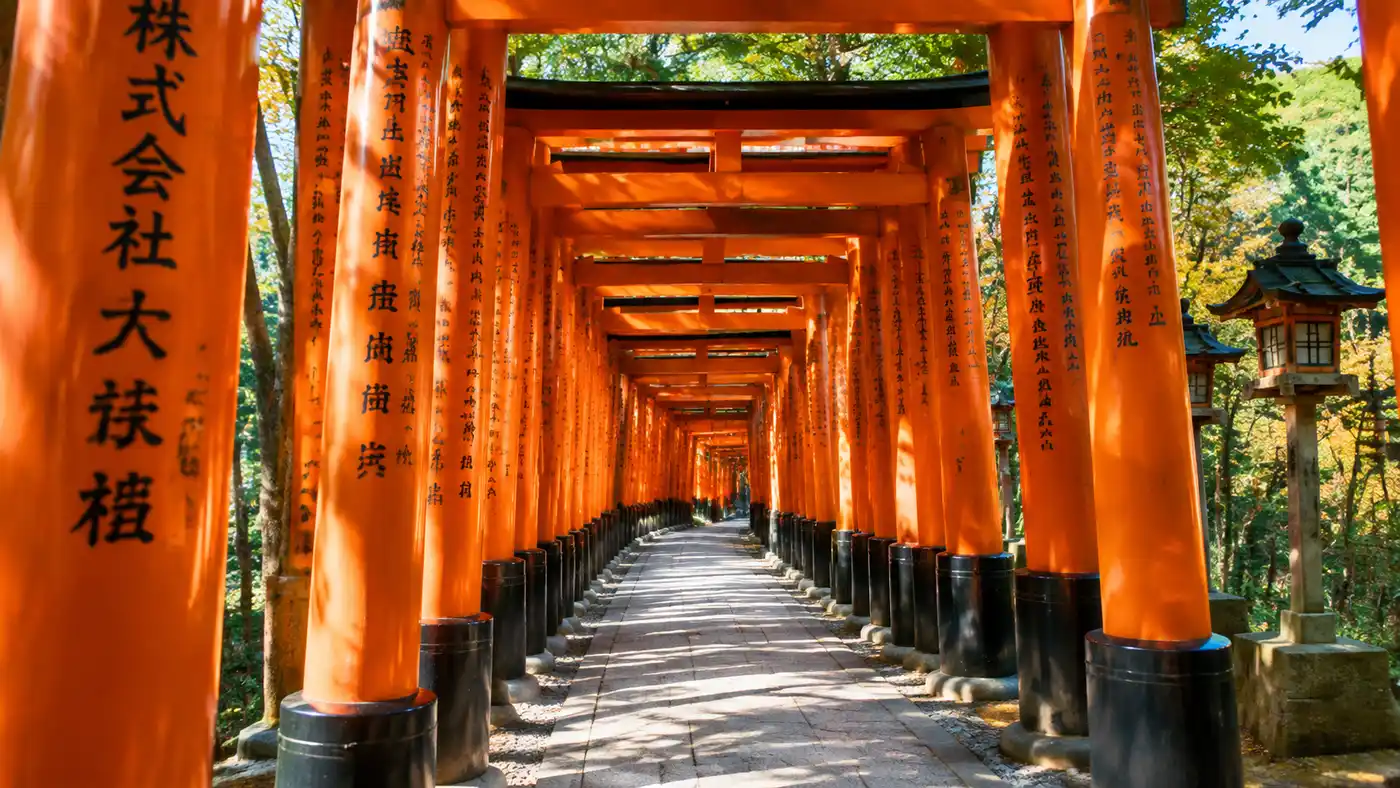
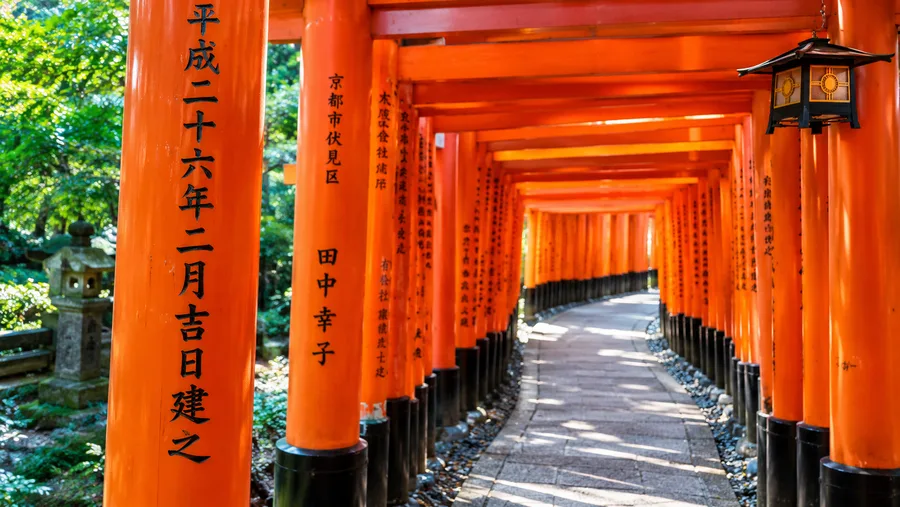
Fushimi Inari Taisha is not just one shrine, it is a whole mountain. Imagine thousands of vibrant orange-red torii gates winding up a forested peak. Each gate is a donation from a Japanese business, a prayer for good fortune, or maybe just a thank you. The effect is mesmerizing, honestly, walking through them feels like stepping into another world. The shrine grounds themselves are quite grand, with impressive main buildings and lots of fox statues, which are considered Inari's messengers. Many people only see the first few hundred meters of gates, snapping their photos, then head back down. That is a shame. The real magic, and the quiet, happens further up. You can easily spend half a day here, wandering past smaller shrines, teahouses, and enjoying views of Kyoto. It is a spiritual journey for some, an incredible hike for others. You can learn more about the sheer number of gates in our article, The Thousand Torii Gates of Fushimi Inari Taisha.Fushimi Inari Hours and Best Time to Visit
One of the best things about Fushimi Inari Taisha is that it is always open. Seriously, 24 hours a day, 7 days a week. There are no official fushimi inari hours to worry about for entry. This flexibility is a huge advantage for travelers who want to avoid the biggest crowds.Pro tip: Aim to arrive by 6:30 AM on a weekday. The light is beautiful, the air is cool, and you will have long stretches of torii gates almost entirely to yourself. It makes for much better photos and a more serene experience.
- Early Morning (before 7:00 AM): This is my top recommendation. Minimal crowds, soft light, tranquil atmosphere. You can capture stunning photos without other people in them.
- Late Evening (after 6:00 PM): Fewer people than midday, a cooler temperature if you are hiking, and the unique ambiance of the lit gates. It feels completely different from a daytime visit.
- Off-Season Weekdays: If you visit Kyoto in the shoulder seasons (spring or autumn, avoiding Golden Week or Obon), weekdays will generally be less crowded than weekends, regardless of the time of day.
Fushimi Inari Taisha Tickets and Fees
Okay, let us get straight to it: there are no fushimi inari taisha tickets to buy. Entry to Fushimi Inari Taisha is completely free. This is fantastic news for budget travelers and honestly, just a generous approach to a major cultural site. You can explore the entire complex, including the thousands of torii gates and the trails up Mount Inari, without paying a single yen. While the shrine itself is free, you will likely encounter opportunities to spend money. There are many vendors selling street food, drinks, and souvenirs right outside the main entrance. You might want to buy an omamori (a Japanese charm for good luck or protection) or a small fox statue. These costs are entirely optional, of course. Here is a quick look at potential costs:| Item | Cost (JPY) | Notes |
|---|---|---|
| Entry Fee | Free | Always open, no tickets required. |
| Souvenirs | 500 - 5,000 | Small charms, fox statues, omamori. Prices vary widely. |
| Street Food | 300 - 1,000 | Yakitori, taiyaki, takoyaki, and other snacks around the entrance. |
| Restaurant Meal | 1,000 - 3,000 | Sit-down lunch or dinner at local restaurants. |
| Donation (Optional) | Any amount | Small offerings at shrines are common, but not required. |
Book your Fushimi Inari Taisha experience:
Getting There - How to Get to Fushimi Inari Taisha
Getting to Fushimi Inari Taisha is remarkably easy, especially from Kyoto Station. This shrine is very well connected by public transport. You have a couple of excellent train options, depending on where you are coming from in the city. The most straightforward way for many visitors, especially those staying near Kyoto Station, is to take the JR Nara Line. It is just a two-stop, five-minute ride from Kyoto Station to Inari Station. The best part? Inari Station is literally right across the street from the main entrance of Fushimi Inari Taisha. You cannot miss it. If you have a Japan Rail Pass, this ride is covered. This is probably the quickest and most convenient option.Note: The JR Inari Station is slightly closer to the main shrine entrance. However, if you are coming from other parts of Kyoto, like Gion or Sanjo, the Keihan Line might be more convenient for you.
Navigating the Fushimi Inari Taisha Map and Trail
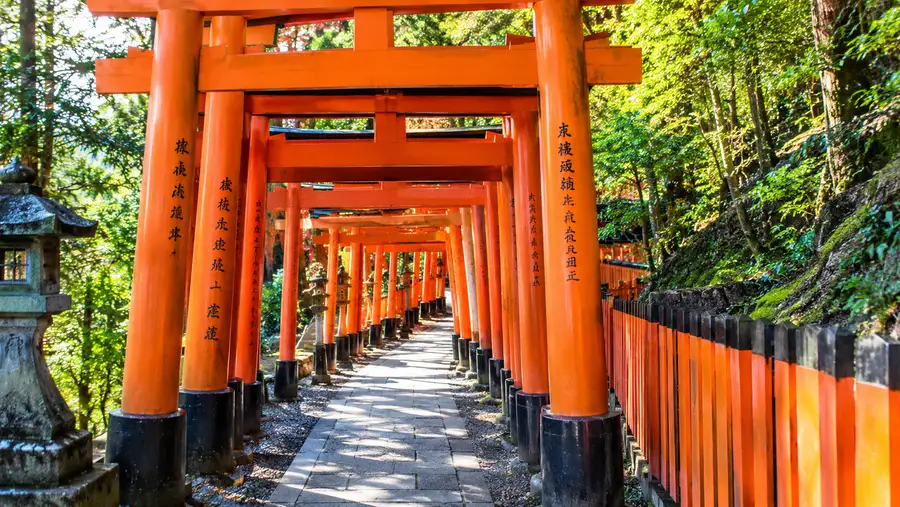
Once you arrive, you will quickly realize that the fushimi inari taisha map is not just for one spot. It covers an entire mountain. The main shrine buildings are at the base. From there, the path of torii gates, known as the Senbon Torii (Thousand Torii), begins. This initial section is the most famous and also the most crowded. The gates split into two parallel rows for a short stretch, which is where many of the iconic photos are taken. As you ascend, the path continues upwards, weaving through dense forest. You will pass countless smaller shrines, mini torii gate offerings, and stone fox statues. The full loop up and around Mount Inari takes about two to three hours at a leisurely pace, including photo stops. The trail is well-maintained, mostly paved or gravel, but it does involve a continuous uphill climb. It is not a strenuous hike, but you will definitely get your steps in. There are a few teahouses and small shops located at various points along the trail, particularly around the Yotsutsuji intersection, which is roughly halfway up. This spot offers fantastic panoramic views of Kyoto. It is a great place to catch your breath, maybe grab a drink, and just soak it all in. Do not feel pressured to complete the entire loop if you are short on time or energy. Many people just go halfway, enjoy the view, and turn back. The experience is still wonderful. Honestly, the further you go, the more the crowds thin out, and the more peaceful it becomes. Consider wearing comfortable shoes. Here are a few things I suggest you bring for your walk:- Comfortable Walking Shoes: Essential for navigating the uphill paths and uneven terrain.
- Water Bottle: Stay hydrated, especially if you plan to hike the full trail. There are vending machines, but having your own is smart.
- Small Backpack: To carry essentials like water, snacks, and any souvenirs you might pick up.
- Camera or Phone: For capturing the stunning scenery and unique gates.
Frequently Asked Questions about fushimi inari taisha plan your visit
How long does it take to walk through Fushimi Inari Taisha?
Walking the full loop up and around Mount Inari typically takes about two to three hours at a relaxed pace. Many visitors only go halfway, which might take 60 to 90 minutes.
Is Fushimi Inari Taisha busy all day?
The main entrance and lower sections are very busy from mid-morning until late afternoon. Crowds thin out significantly if you visit before 7:00 AM or after 6:00 PM, and also as you climb higher up the mountain trails.
Are there restrooms at Fushimi Inari Taisha?
Yes, there are several public restrooms located at the base near the main shrine buildings and at various points along the trail up Mount Inari, including near the Yotsutsuji intersection.
Quick Reference
- Entry Fee: Free
- Hours: 24/7
- Best Time: Early morning or late evening
- Nearest JR Station: Inari Station
- Full Hike Time: 2-3 hours
Book your Fushimi Inari Taisha experience:
My Take
Fushimi Inari Taisha is truly one of Japan's most captivating sights. The sheer scale and beauty of the torii gates, combined with the peaceful forest setting, make it an unforgettable experience. Do yourself a huge favor and get there early. I cannot stress that enough. Having those vibrant gates almost to yourself is a completely different experience than jostling through crowds. Plan your visit with these tips in mind, wear good shoes, and prepare to be amazed. It is absolutely worth the effort.Read more about Fushimi Inari Taisha.