The Thousand Torii Gates of Fushimi Inari Taisha
Stepping into Fushimi Inari Taisha in Kyoto, you immediately feel a certain kind of magic. The air hums with anticipation, a mix of spiritual reverence and pure excitement, especially for those ready to experience the iconic thousand torii gates. This isn't just another temple visit; it's an immersive journey through a vibrant, vermillion world, a place where foxes are revered messengers and every step feels like part of an ancient story. This article shares my personal experience navigating the trails and understanding the spirit of this incredible Shinto shrine. We'll explore how to get there, what to expect as you ascend Mount Inari, and some of the hidden gems you might miss if you only stick to the main path. Consider this your friendly guide to making the most of your time among those stunning, endless red torii gates.Book your Fushimi Inari Taisha experience:
Approaching the Shrine and First Impressions
Getting to Fushimi Inari Taisha is quite straightforward, honestly. The JR Inari Station drops you right at the shrine's entrance, which is incredibly convenient. If you're coming from central Kyoto, it's just a quick five-minute ride from Kyoto Station on the JR Nara Line. Keihan Electric Railway also has a station, Fushimi-Inari Station, which is only about a 7-minute walk away. I think the JR option is usually faster, depending on where you start. As you approach, the sheer scale of the main gate, the Romon Gate, is impressive. It's really big. Emperor Go-Kogon donated it back in 1589, so it has quite a bit of history. Just beyond that, you'll find the main hall, or Honden, where people offer prayers. Even at 7:30 AM, there were already dozens of visitors, mostly photographers and early birds wanting to beat the major crowds. The vibrant orange color of the buildings, contrasted with the deep green of the surrounding trees, is truly something to behold.Pro tip: Arrive as early as you can, maybe before 8:00 AM. The initial sections of the path with the famous red torii gates get incredibly crowded by mid-morning. You'll have a much more peaceful experience, and better photo opportunities, if you're there when it's still quiet.
Navigating the Thousand Torii Gates: The Senbon Torii Path
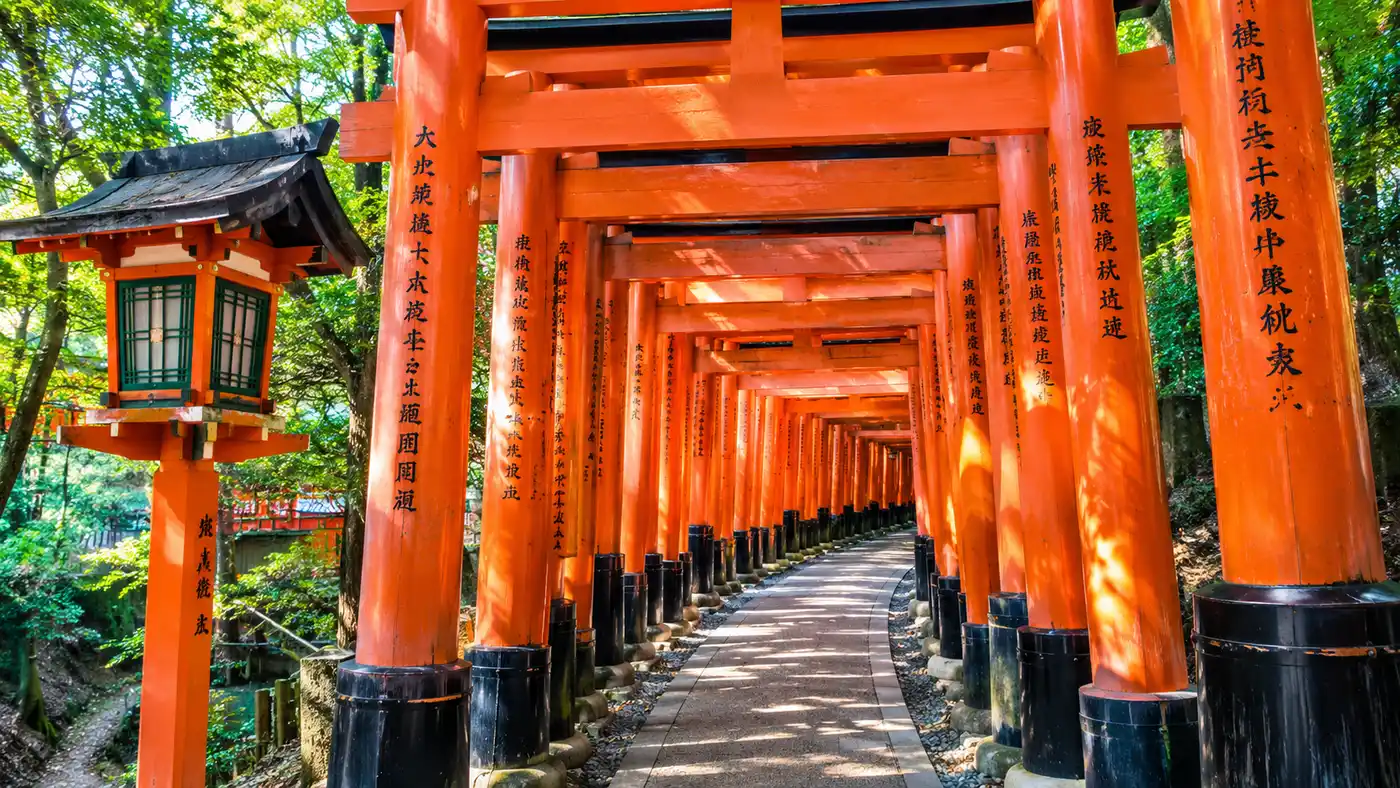
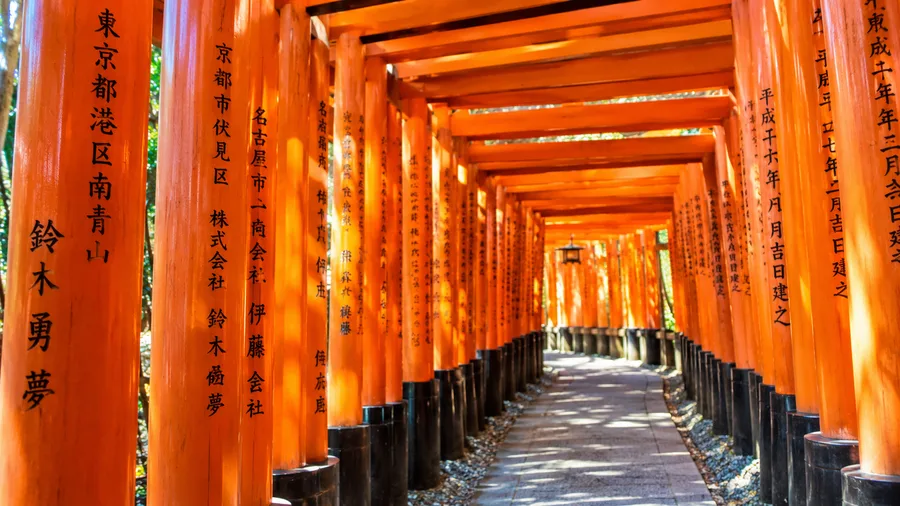
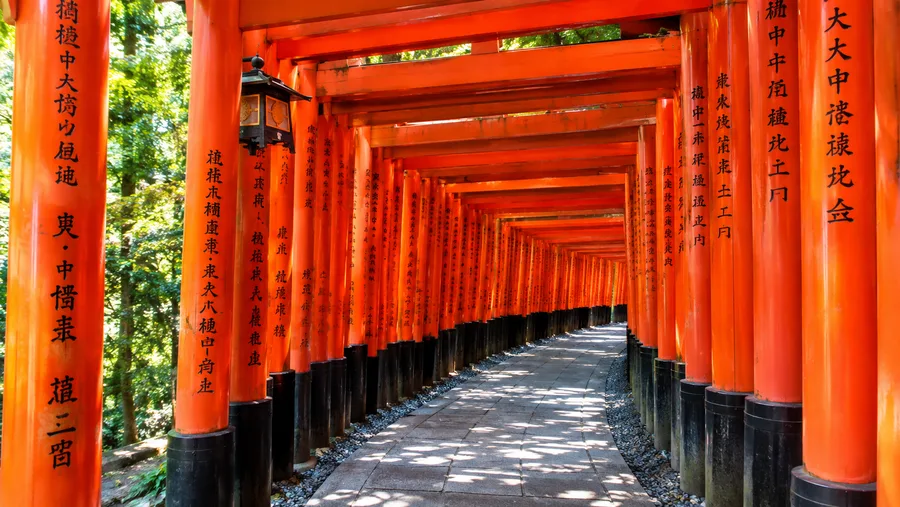
This is the moment everyone waits for, the reason most people come here. Just past the main shrine buildings, you'll see the entrance to the famous Senbon Torii, or "thousand torii gates." It's not just one path; it splits into two parallel tunnels, both equally mesmerizing. These thousands of gates are actually donations from individuals and businesses, each one inscribed with the donor's name and the date of their donation on the back. It's a really unique way to contribute to a shrine. Walking through these tunnels feels like stepping into another dimension. The light filters through the closely packed wooden gates, casting an ethereal, reddish glow. It's a truly immersive experience, a visual feast that just keeps going. You really lose track of time in there. The path is well-maintained, mostly paved, and offers a gradual ascent up Mount Inari. For more detailed information on planning your visit, including hours and fees, you might want to check out the main site's thousand torii gates section.Note: While the initial section of the Senbon Torii is breathtaking, it's also where the vast majority of tourists stop. If you continue past this point, the crowds thin out dramatically, and the experience becomes much more serene and contemplative.
Beyond the Main Path - Hiking Mount Inari
Many visitors only walk through the famous twin tunnels of the senbon torii and then turn back. Honestly, that's a mistake. The true beauty and spiritual depth of Fushimi Inari Taisha reveal themselves as you continue further up Mount Inari. The entire trail to the summit and back is about 4 kilometers (2.5 miles), and it took me about 2 hours and 40 minutes, including stops for photos and a small break. As you ascend, the torii gates become less densely packed, allowing for glimpses of the surrounding forest and occasional views of Kyoto city below. You'll encounter many smaller sub-shrines, each with its own charm and often guarded by stone fox statues, known as kitsune. These foxes are considered messengers of Inari Okami, the Shinto god of rice and sake. The atmosphere changes too; it becomes much quieter, almost meditative. If you're keen on exploring the full trail, you'll find a lot of useful tips in the article about Hiking Mount Inari: The Fushimi Inari Taisha Trail.Book your Fushimi Inari Taisha experience:
Foxes, Offerings, and Spiritual Significance
The foxes, or kitsune, are everywhere at Fushimi Inari. They're not just cute statues; they hold profound spiritual meaning. You'll see them with keys in their mouths, symbolizing the key to the rice granary, or holding a jewel. People leave offerings of sake, rice, and even small, stylized torii gates at their altars. It's a fascinating blend of nature worship and Shinto tradition. The sheer number of torii gates, especially the smaller ones that pilgrims purchase and leave at various altars, is astounding. Each one represents a prayer or a thank you. You can buy miniature torii gates for about 500 yen ($3.50 USD, roughly) at some of the shops along the trail, then write your wish on it and place it with thousands of others. It’s a tangible way to participate in the shrine's living history. Here are a few things to keep in mind for your visit:- Best time to visit: Definitely early morning, before 8:00 AM, or late afternoon, maybe after 4:30 PM. The light can be quite beautiful then too.
- What to wear: Comfortable walking shoes are a must if you plan to hike the entire mountain. It's not a strenuous hike, but there are many steps.
- Hydration: Bring water. There are vending machines, but they're spaced out, and prices might be slightly higher than elsewhere.
- Photography: Be respectful. Don't block paths for long periods, especially in crowded areas.
Food, Souvenirs, and Nearby Delights
Once you've descended from the mountain, or if you just visited the lower shrine area, the street leading up to the main gate is a bustling hub of activity. This is where you can grab some fantastic street food. I tried some takoyaki (octopus balls) and an inari sushi, which is basically rice packed into a fried tofu pouch. It felt appropriate, given the shrine's name and its connection to the fox god. There are also numerous souvenir shops selling everything from kitsune masks to small ceramic fox figurines. You can find some really unique items here that make great gifts. Honestly, I bought a tiny ceramic torii gate for my desk. It cost around 700 yen, which felt like a fair price for a handmade souvenir. If you're interested in exploring more food options beyond the street stalls, there's a good guide on Best Food & Restaurants Near Fushimi Inari Taisha. Here's a quick look at typical travel times to the shrine:| Starting Point | Train Line | Approx. Travel Time | Approx. Cost (JPY) |
|---|---|---|---|
| Kyoto Station | JR Nara Line | 5 minutes | 150 |
| Gion Shijo Station | Keihan Main Line | 10 minutes | 210 |
| Osaka (Umeda Station) | JR Kyoto Line to Kyoto, then JR Nara Line | 35-45 minutes | 820 |
| Nara Station | JR Nara Line | 45-50 minutes | 680 |
Frequently Asked Questions about thousand torii gates
How long does it take to walk through all the torii gates?
If you hike to the summit of Mount Inari and back, it generally takes about 2 to 3 hours, depending on your pace and how often you stop for photos. Just walking through the initial famous sections might take 30 to 45 minutes.
Is there an entrance fee for Fushimi Inari Taisha?
No, there is no entrance fee to visit Fushimi Inari Taisha or to walk the paths through the torii gates. It's completely free to explore.
Are the torii gates always red?
Yes, the vast majority of the torii gates at Fushimi Inari Taisha are painted a distinct vermillion red or orange color, which is traditionally believed to ward off evil and symbolize vitality.
Quick Reference
- No entrance fee
- Open 24/7
- JR Inari Station at entrance
- Hike takes 2-3 hours
- Thousands of red torii gates
Book your Fushimi Inari Taisha experience:
My Take on Fushimi Inari
Fushimi Inari Taisha is truly one of those places that sticks with you long after you've left. The sheer visual impact of the thousand torii gates is unforgettable, but it's the journey up the mountain, the quiet moments at smaller shrines, and the reverence for the kitsune that really make it special. It's a place that caters to both the casual sightseer and the more adventurous hiker, offering a unique blend of cultural immersion and natural beauty. Honestly, it's a must-see for anyone visiting Kyoto. Don't just go for the photos; go for the experience.Read more about Fushimi Inari Taisha.